
Those words from Shrek the Ogre ring loud in my ears this morning as I’m reading Dr. Greger’s next book, “How Not to Diet.”
I mentioned Dr. Greger’s work a few posts back. He is a WFPB doctor who has dedicated his life to researching and sharing information on every medical finding out there. The first book I dove into from him is called “How Not to Die.” It’s a comprehensive look at the 15 leading diseases (Cancer, Breast Cancer, Heart Disease, Brain Disease, etc.) and how to stop or reverse the issues, or better yet, how to prevent them in the first place.
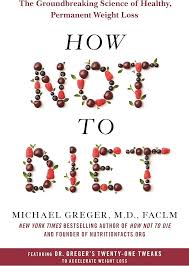
Dr. Greger is fascinating to read, but warning, when I say he is research-heavy, I mean it’s taken me two days to get 79 pages in. As a comparison, I read “Outliers” by Malcom Gladwell in about a day and a half (one of my all-time favorite books).
The book starts out presenting the problem(s) — the causes of obesity, the consequences, and the typical solutions (in America, at least). The first “solution” covered being weight loss surgery (WLS).
If you know me, or have been following this blog for any length of time, I chose the WLS route in 2017. And I can’t say I regret it — it helped me lose over 100 pounds in a year, just in time for detection of a stage 0/1 breast cancer. I’m not sure we would have found it at my pre-surgery weight of 286. (I like to say I’m 5′ 5″, by the way, but these days I’m measuring closer to 5′ 4″)…
In the first year, I was the picture of perfection. I ate three small meals a day with a snack on occassion. I drank as much water as my stomach could handle and I exercised the crap out of every day. Not only did I lose 100 + pounds, but I looked great — not a ton of sagging skin (which was amazing).
When I got my cancer diagnosis, it’s like I didn’t hear or process the information. I just kept right on trucking along. And then I had surgery – a lumpectomy – and the process of that bent my brain a bit. To revisit my experience, click here, but warning, this is not for the faint of heart — it’s a raw visit to a barbaric procedure that should be eradicated in modern times.
I don’t often call myself a “cancer survivor,” though I guess I am. I often call myself a cancer surgery survivor.
The shock and trauma of that time in my life caused me to literally freeze in place. Feeling so overwhelmed, so traumatized, I literally sat down and stopped participating in my regularly scheduled life. And soon I found myself returning to old habits that had once been so comforting. And most of those habits centered around food.
When you have WLS, especially the most aggressive form, the Duodenal Switch, you cannot eat the volume of food you once did. Even as your stomach naturally stretches a bit over time. Which is the point, remove the ability to binge-eat and you lose weight. But there is a way around that – grazing. Just eating small amounts of food all. day. long. Somehow it’s like my brain understood that would be the case.
And I did.
For then next four+ years, I grazed. When I was happy, sad, frustrated, lonely, nervous or angry. It didn’t take terribly long for the scale to reflect my behavior — all the way to a 30+ pound regain. Ugh.
I can’t begin to explain the shame and guilt I have experienced in the process. And the hopelessness I was feeling along the way. When you literally do the most extreme thing – remove most of your stomach and small intestine – and you revisit what got you there in the first place – your mind and heart fill with shame.
Thankfully a switch flipped for me back in early March. I went on a documentary bender and revisited a bunch of health and diet docs (i.e., Forks Over Knives, What the Health, Game Changes, etc.) and I discovered Dr. B of “Fiber Fueled.” I started better understanding how we are built and how what we eat literally fuels our bodies and minds and how a messed up microbiome can mess up a whole host of body functions. How food can hurt or heal. And it led me to a whole foods, plant-based lifestyle. A lifestyle that has offered me healing and a reversal of several health issues, and a second chance at freeing myself from obesity before it gets out of hand once again.
And now that I’m solidly into eating better, I want to learn to be more purposeful about what I ingest. I want to literally use food as medicine – to prevent things that might be around the corner for me based on my family history. Heart disease, other cancers, diabetes, and Alzheimer’s. To learn more about this I’m ready — a lot.
All this to share how I got to reading Dr. Greger’s book, “How Not to Diet.”
So there I am yesterday, experiencing quite a perfect Mother’s Day which my husband orchestrated with little to no input from me, and after dinner I’m sitting on my freshly cleaned back porch (if you live in the South, you understand the undertaking that is post-pollening)…and I finally make it to page 79, and there I am stopped in my tracks:
How sustainable is weight loss with bariatric surgery? Over the first year or two after the procedure, most gastric bypass patients do end up regaining some of the weight they had lost, but five years later, three-quarters maintain at least a 20 percent weight loss. The typical trajectory for someone who starts out obese at 285 pounds, for example, would be to drop to an overweight 178 pounds two years after bariatric surgery but then regain back up to an obese 207 pounds. This has been chalked up to “grazing” behavior, where compulsive eaters may shift from bingeing, which becomes more difficult post-surgery, to constantly eating smaller amounts throughout the day.
It’s like Dr. Gregor personally interviewed me for this section.
On the day of my surgery, I had already lost some weight, so my weight on record on that day was 286. The day before my breast cancer surgery I weighed 184.2. On March 5, 2024, the day I decided to heal my eating, I weighed 215.8.
That would have been helpful information to have from my bariatric team. “Hey, you might hit a pitfall and turn to grazing, so if you notice that starting, give us a call and we’ll walk with you through the issues your facing that are causing you to return to old habits.”
Had I been given that fine print, would it have changed my decision to have WLS?
I don’t know.
At the time, I was desperate. And having WLS disrupted a terrible cycle I had been living in since I was about four years old. So for that I am thankful. It did give me a hope and a glimpse that there might be a different way to live and to cope with living.
And maybe having the surgery has helped me gain some ownership over my issues with food.
Prior to surgery I felt like I was a bit of a victim. I mean, if I were an alcoholic and needed to quit drinking, you just avoid alcohol. I did that quite easily as a Mormon for 20 years. I simply didn’t visit bars or liquor stores and surrounded myself with other like-minded people. Drinking seldom came up, and when it did, it was pretty easy to abstain.
But eating…eating is something you have to do to survive. There isn’t an abstention option. So how can I change the behavior?
Well, I can make better choices, and seek therapy for struggles I may have along the way. That is ownership in a nutshell. Making a choice to acknowledge the problem and change the behavior. And that’s where I am today.
Every day I have choices to make, like everyone else. I’m working on self-love and self-grace. To aid in those choices, I have downloaded Dr. Greger’s app called the “Daily Dozen.”

It lets me track and choose the best things to put in my mouth (Berries, beans, whole grains, water, etc.). I’m not obsessive about it, but it helps me to stop and think before diving in to my meals. And so far it’s led to a 15+ pound weight loss, more energy, and more self-kindness.
I’m healing day by day, little by little and I am thankful for second, third, fourth chances and beyond.
 Shrinking Shay